An Easy Guide to Automated Factory Cleaning
CIP System
How It Works and Why It Matters
When making food or drinks, leftover food, germs, or old ingredients from a previous batch can ruin the next batch. CIP was created to solve this by automatically pumping water and cleaning solutions through the equipment at just the right speed and temperature.
CIP cleaning follows a strict computer program that usually broken down into these 5 steps.
Integrating a CIP system into your facility offers numerous operational advantages
Cuts down downtime when changing production lines or cleaning gear.
Uses computers (PLCs) to control water amounts, heat, and chemical levels so humans don't make mistakes.
Keeps staff away from strong, dangerous chemicals.
Reuses water and cleaning liquids to lower long-term bills.


Conclusion
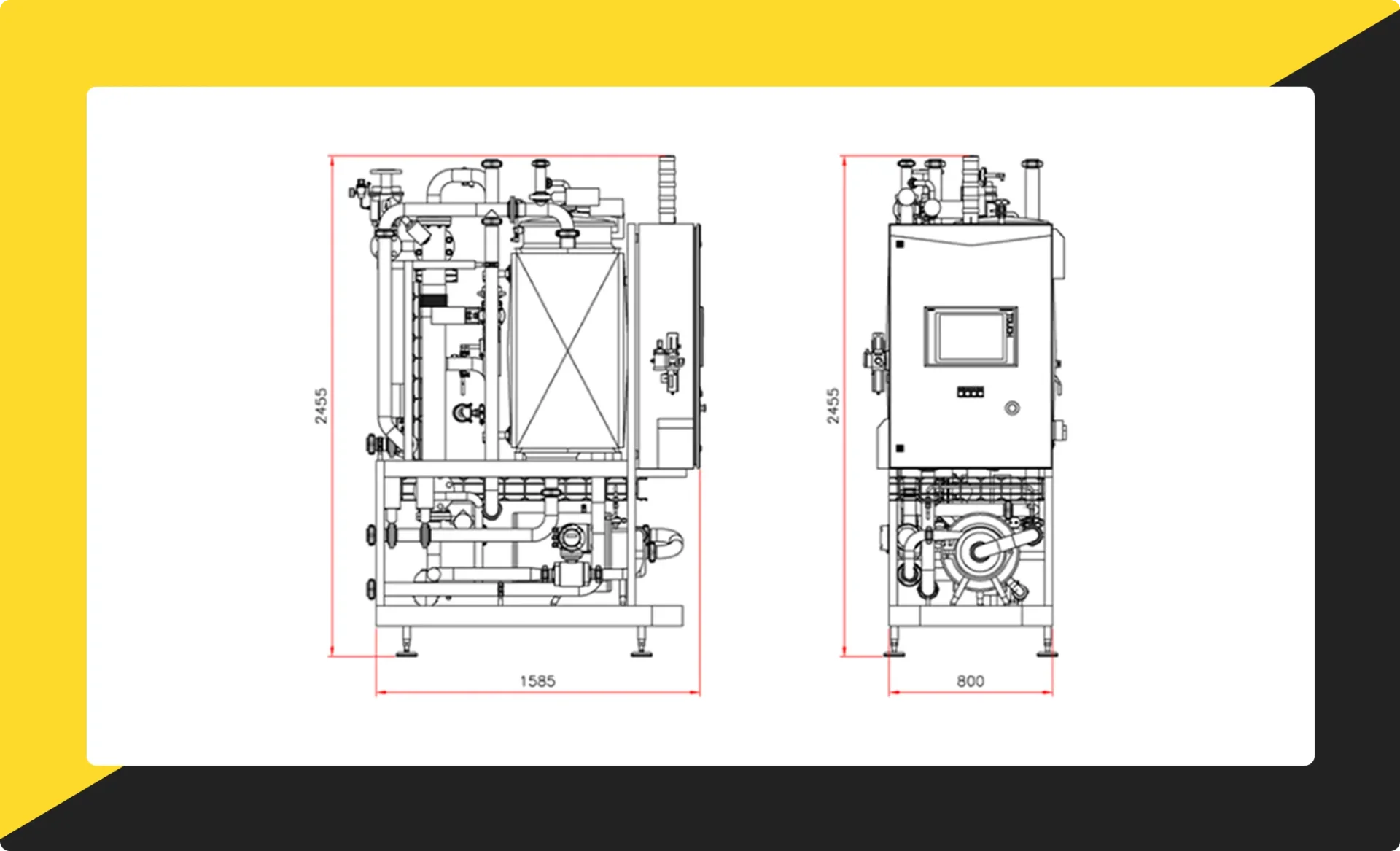
CIP (Clean-in-Place) is an automated cleaning system designed to clean the internal surfaces of processing equipment, pipelines, tanks, and other components without the need for disassembly.
Optimize Your Cleaning Process
Build the Right Processing Solution for Your Production
 MakeWebEasy