
Storage Matrix
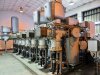
A Storage Matrix is a system that connects liquid storage tanks to production processes, designed to control the routing of product flow safely, efficiently, and with traceability. The structure of the system determines which tank connects to which production line, through predesigned valve and pipeline assemblies.
At Integra, we place the utmost importance on proper Storage Matrix design from the beginning, to prevent major issues that may arise during production-such as cross-contamination, operator error, or incomplete CIP coverage. Our systems are designed by expert engineers and integrated with automation control, ensuring that every flow path is precisely controlled, safe.


Key Benefits of Integra's Storage Matrix
- Prevents operator error from incorrect valve activation
- Prevents cross-contamination between product lines
- Ensures all flow paths are properly cleaned (CIP)
- Reduces piping complexity and simplifies inspection/maintenance
- Supports safe production of multiple recipes or parallel lines
Integra Offers Flexible Storage Matrix Configurations
- Automated Valve Manifold (Mix-proof System): Fully automated valve clusters with interlocks and status monitoring
- Flow Plate System: Manual flow direction control via sanitary flow panels
- Swing Pipe System: Cost-effective solution for smaller batch systems with safe manual operation
We Design with Understanding, Not Just Assembly
With decades of experience in liquid processing, Integra understands the real-world challenges behind the process. Thats why our Storage Matrix is not just a set of valves and pipes-it's an engineered infrastructure designed to ensure accuracy, safety, and long-term production stability.
Mixing Station
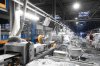
A Mixing Station is the centralized point where multiple liquid streams are combined and prepared for subsequent processing-such as Pasteurization, UHT treatment, or Filling. It controls flow rates, temperatures, and ingredient proportions according to recipe specifications to ensure uniform quality and compliance with hygiene standards.
At Integra, we emphasize precise engineering of the Mixing Station from the outset. By carefully arranging equipment, sequencing liquid feeds, and integrating with central control systems, we deliver a solution that operates continuously, safely, and fully supports CIP cleaning of all wetted surfaces.
Key Benefits of Integra's Mixing Station
- Automated proportioning via flow meters and control valves
- Support for both continuous and batch mixing modes
- Full PLC/SCADA integration for recipe management and traceability
- Designed for complete CIP coverage without disassembly
- Suitable for a wide range of liquid products (e.g., juices, syrups, dairy, and beverages)
Mixing Station Configurations Supported by Integra
- Batch Mixing System (Tank System): Batch‐wise mixing in a dedicated tank, ideal for controlled fill sequences and dwell times, with optional buffer tank integration.
- Circulation Mixing System: Recirculates liquid through piping back to the mixing tank for continuous homogenization and temperature uniformity.
- Inline Mixing System (Continuous): Precisely controlled flow‐meter blending of multiple streams in‐line before downstream processing, optimized for high‐speed, continuous production.
Integra's Expertise in Liquid Mixing
With extensive experience in liquid processing for food, beverage, dairy, and pharmaceutical applications, Integra designs Mixing Stations that seamlessly integrate into your overall production line. Our solutions ensure smooth operation, robust safety, and consistent product performance across every batch.

CIP/SIP System
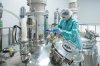
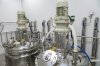
CIP (Cleaning-In-Place) and SIP (Sterilization-In-Place) systems are designed to clean and sterilize internal surfaces of tanks, pipes, and process equipment without the need for disassembly. These systems are critical for industries with high hygiene requirements, such as dairy, food, beverage, and pharmaceutical manufacturing.
Integra emphasizes hygienic and engineering-accurate design of CIP/SIP systems. We consider all factors including CIP fluid routing, temperature and concentration control, cleaning time, operator safety, and full traceability in compliance with GMP and HACCP standards. Our systems are fully integrated with PLC/SCADA platforms to provide real-time monitoring and data logging across all cleaning steps.
Key Features of Integra's CIP/SIP System
- Fully automated cleaning and sterilization sequences for each product-specific recipe
- Supports multi-loop and multi-circuit control with safe routing management
- Designed for resource efficiency reduced water, chemical, and energy consumption
- Compatible with hot, cold, or steam-in-place (SIP) cleaning modes
- Full coverage of all product-contact surfaces with dead-leg-free design
- Real-time monitoring with alarm functions and data recording of all process values
CIP System Configurations Supported by Integra
Integra provides tailored CIP system designs suited to your production scale and plant layout, with the following configurations:
- Centralized CIP System A central cleaning unit distributes CIP fluids to all process areas from a single station. Ideal for medium-to-large-scale plants requiring centralized control and management.
- Decentralized CIP System Localized CIP skids or units are installed in separate zones, minimizing long-distance piping and allowing faster and more flexible cleaning of specific lines or equipment groups.
- Combined Centralized CIP A hybrid approach that combines centralized chemical storage and heating with localized CIP distribution. This offers the benefits of both central control and decentralized flexibility-ideal for multi-zone production areas with space limitations.
Integra Designs for Hygiene, Safety, and Operational Excellence
Integra does more than supply a CIP/SIP unit. We analyze your actual production flows and requirements to ensure a fully effective cleaning and sterilization system. Every design ensures complete coverage, high efficiency, process safety, and zero compromise on product quality.
Pasteurization Process
Pasteurization is a process of applying heat to liquids-such as milk, juice, or beverages-at a controlled temperature and time to destroy harmful microorganisms while preserving product quality. It is a critical step that directly affects product safety, shelf life, and stability.
At Integra, we prioritize accurate and hygienic design in every pasteurization system. We consider engineering principles, sanitation, operational safety, and seamless integration with surrounding processes such as CIP, UHT, or Filling, ensuring that the system operates reliably and is tailored to the customer's product characteristics.

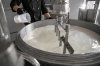
Key Features of Integra's Pasteurization System
- Precise control of temperature and holding time
- Selection of Plate Heat Exchanger (PHE) or Tubular Heat Exchanger based on product type
- Regeneration section for optimized energy efficiency
- Integration with PLC/SCADA for real-time data logging of critical parameters
- Fully CIP-compatible without requiring disassembly
- Designed in compliance with EHEDG, 3-A, and PED hygiene standards
Pasteurizer Types Supported by Integra
- HTST (High Temperature Short Time): High-efficiency thermal treatment while preserving product quality
- Regenerative Pasteurizer: Energy-saving system using heat recovery between incoming and outgoing product flows
- Multi-Section Pasteurizer: Clear separation of Heating Holding Cooling zones for precise process control
- Pasteurizer with Buffer Tank: Enables continuous production with consistent product supply
- CIP/SIP Integration: Allows full cleaning and sterilization without stopping the process
Integra Solutions for Precise and Reliable Pasteurization
At Integra, we believe that a well-designed pasteurization system begins with a thorough analysis of the actual product and process. Each system is engineered with a focus on accurate thermal parameters, controlled product flow, critical control point (CCP) management, and seamless integration with other process units. This ensures not only product safety, but also stable, continuous operation with full traceability in compliance with industry standards.
Aseptic Process
A Sterile Process guarantees that all product-contact surfaces and packaged goods remain free of viable microorganisms. It encompasses aseptic handling, sterile filtration, and controlled environments to ensure product sterility without compromising quality or nutritional value.
At Integra, we apply rigorous engineering and hygienic design principles to every sterile process installation. From detailed skid layouts for sterile filtration modules to validated aseptic transfer operations, our systems create a secure barrier against contaminants-providing absolute confidence in sterility and safety.
Key Features of Integra's Sterile Process Systems
- Sterile Filtration Modules: High-performance filter housings with validated membrane integrity testing
- Aseptic Transfer Interfaces: Steam-sterilizable connections or single-use couplings to prevent contamination during transfers
- Controlled Environment Integration: Fully enclosed isolators or clean room interfaces seamlessly linked to production lines
- Automated Sterilization Cycles: PLC-driven SIP sequences for filter and piping integrity, complete with data logging
- Redundant Monitoring & Alarms: Real-time monitoring of pressure, temperature, and differential pressure to detect breaches
- Full Compliance Documentation: IQ/OQ/PQ protocols and FAT/SAT reports aligned with FDA, EMA, and ISO 13408 standards
Sterile Process Configurations Supported by Integra
- Aseptic Filtration Skid: Compact, self-contained modules for continuous sterile filtration of base liquids, complete with membrane integrity testing and automated cleaning cycles.
- CIP/SIP Sterilization Skid: Fully automated skid combining steam generation, heat exchangers, and chemical dosing for in-place sterilization of piping and equipment, with precise control of temperature, pressure, and dwell time plus full data logging.
- Sterile Valve Manifold System: Centralized assemblies of sterile valves and controls that manage aseptic routing between process units, ensuring product integrity and simplified validation without requiring filling equipment.
- Single-Use Aseptic Flow Path Assemblies: Pre-assembled, disposable tubing and connector modules for sterile transfer and processing of small-batch or multi-product lines, eliminating cleaning requirements and minimizing cross-contamination.
Integra's Commitment to Sterility and Quality
With deep expertise in pharmaceutical, biotech, and beverage industries, Integra engineers sterile processes that meet the highest regulatory and hygiene standards. We deliver turnkey solutions-from detailed design through validation-to ensure your product remains sterile, your operations stay efficient, and your compliance obligations are fully met.
Standardization System
A Standardization System is a framework that governs engineering design, equipment selection, and technical documentation in a unified and traceable manner. It helps eliminate inconsistencies, supports repeatable production, and enhances long-term maintainability. Standardization allows all stakeholders to work within the same technical structure, improving communication, efficiency, and control.
At Integra, we apply standardization across every phase of the project-from component selection and technical drawing to electrical design, piping layout, and user documentation. The result is a system that is intuitive to operate, easy to maintain, and scalable for future expansion.
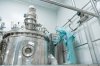
Key Elements of Integra's Standardization System
- Design Standards: Standardized formats for P&ID, layout drawings, GA, 3D, isometric, cable lists, and I/O lists
- Component Standardization: Predefined models, brands, and specifications for all key components
- Software Standardization: Common PLC logic structure, HMI, and SCADA layouts across all lines for easier troubleshooting and expansion
- Documentation Standards: Consistent formats for manuals, maintenance guides, FAT/SAT, and IQ/OQ/PQ documentation
At Integra, we believe a good system must be sustainable and easy to manage
A well-standardized system ensures production stability, minimizes operational errors, and empowers the customer's engineering team to independently operate and maintain the plant. Integra prioritizes building strong technical foundations that can support long-term growth in production, quality control, and system expansion.
Fermentation
Fermentation is a biological process in which microorganisms-such as yeast or specific bacteria-convert raw materials into desired compounds like alcohol, organic acids, or flavor compounds. The process requires precise control of temperature, time, pH, oxygen levels, and hygiene to ensure high-quality, uniform results.
At Integra, our fermentation systems are engineered with accuracy and hygiene in mind. We provide fully integrated solutions including fermentation vessels, environmental control, CIP/SIP capability, and automation. Our systems are also designed for seamless connection with upstream and downstream process steps.
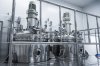
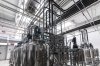
Key Features of Integra's Fermentation Systems
- Fermentation tanks (fermenters) designed according to EHEDG, 3-A, and PED standards
- Accurate temperature control using heat exchangers or jacketed vessels
- Support for aeration and real-time DO (Dissolved Oxygen) control
- Real-time pH and level monitoring with integrated feedback control
- Full CIP/SIP cycle for sterilization before and after fermentation
- PLC/SCADA integration with data logging and traceability
Integra designs fermentation systems with a deep understanding of bioprocesses and hygienic standards
With extensive experience in beverage, dairy, nutraceutical, and bioprocess industries, Integra offers fermentation systems suitable for both batch and continuous production. Our designs focus on maintaining product integrity, operational reliability, and full process traceability.
Complete System for Production
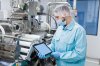
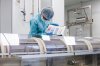
At Integra, a Complete System for Production means more than just supplying equipment. We deliver fully engineered, integrated process lines tailored to your product, production scale, and operational goals. Our systems cover the entire production cycle-from raw material handling and liquid processing, to cleaning, control automation, and final product storage-ensuring every element works in harmony.
With a multidisciplinary team of process, mechanical, electrical, and automation engineers, Integra designs each system to achieve optimal performance, food safety, and long-term maintainability.
Scope of Integra's Complete Production Systems
- Process Design & Engineering: P&ID, Process Flow Diagram, Utility Requirements, Functional Design
- Liquid Processing Units: Mixing, Pasteurization, Sterilization, Fermentation, Storage, and CIP/SIP
- Mechanical Design: Piping layout, GA, 3D drawings, support structure, and tank design
- Automation & Control: PLC, SCADA, HMI, I/O List, Logic Programming, Reports, and Traceability
- Electrical Systems: MCC panel, Control Panel, Wiring Diagrams, Cable Layout
- Qualification & Documentation: FS, DQ, FAT, SAT, IQ, OQ, PQ (supported)
- Installation & Commissioning: On-site assembly, start-up, testing, and operator training
- After-Sales Support: 24/7 technical support, maintenance planning, and system upgrades
Integra Delivers More Than Equipment - We Deliver Operational Confidence
Every system by Integra is designed with scalability, safety, hygiene, and automation in mind. Whether for dairy, beverages, food, or pharmaceuticals, our complete solutions help clients reduce errors, improve product consistency, and ensure compliance with industry standards.
 MakeWebEasy
- Home Home
- Company Company
- Engineering Engineering
- Product Product
- Service & Support Service & Support
- References References
- Contact us Contact us
- Pilot Plant Pilot Plant